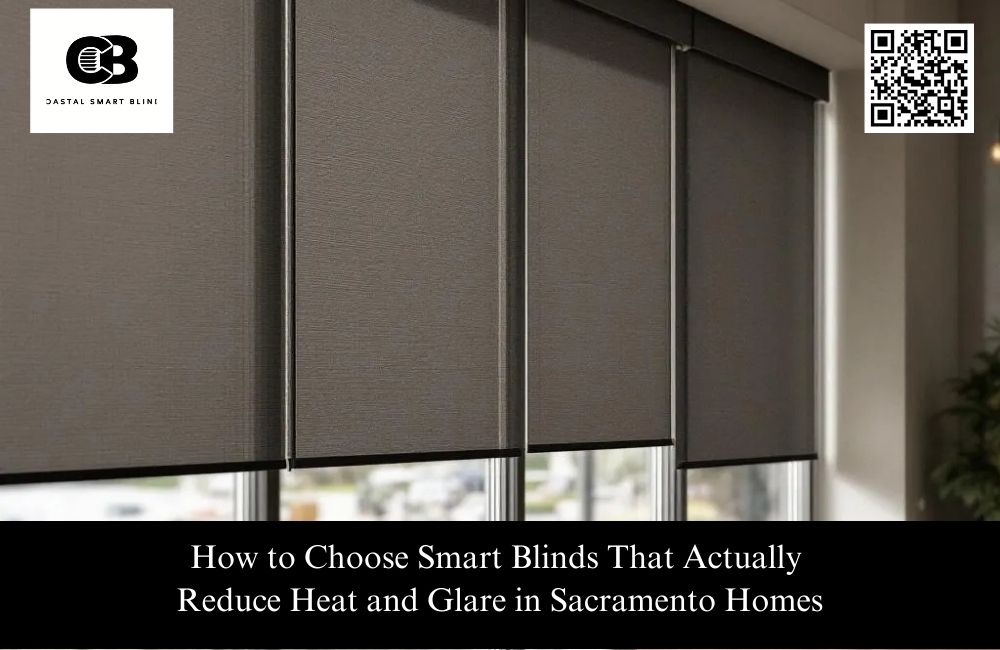
How to Choose Smart Blinds That Actually Reduce Heat and Glare in Sacramento Homes
Sacramento homeowners know the struggle. The afternoon sun hits hard. Rooms that felt comfortable in the morning suddenly feel warmer. Glare makes it difficult to watch TV, work on a laptop, or even relax.
But here’s the question many people never ask:
Are your window blinds actually helping or quietly making things worse?
Not all blinds are designed to handle Sacramento’s intense heat and long summers. Choosing the right solution isn’t just about style. It’s about performance, insulation, light control, and smart functionality.
Let’s break down how to choose smart blinds that truly reduce heat and glare and what most homeowners overlook.
Why Sacramento Homes Need Smarter Window Solutions
Sacramento’s climate includes:
Intense afternoon sun
High summer temperatures
Large window designs in modern homes
Extended daylight hours
That combination means untreated windows can allow significant solar heat gain. Even traditional blind shades for windows may not block enough radiant heat if they’re not designed for insulation or UV protection.
If your room feels noticeably warmer near windows, or you constantly adjust blinds throughout the day, that’s a sign your current setup isn’t working efficiently.
What Actually Reduces Heat and Glare?
Not all window treatments are equal. Here’s what truly matters:
1. Fabric Opacity and Material
Thicker materials, layered fabrics, and specialized UV-blocking textiles can dramatically reduce heat transfer. Sheer fabrics may soften light but won’t significantly reduce temperature.
For Sacramento homes, blackout or high-density fabrics often perform better in west-facing rooms.
2. Insulation and Air Pockets
Cellular-style designs trap air within structured pockets, helping reduce heat flow. This adds an insulating barrier between the window glass and your interior space.
This is especially important in homes with large, sun-facing windows.
3. Automation and Smart Scheduling
Here’s where things get interesting.
A window shade automatic system can lower blinds during peak heat hours—even when you’re not home. This reduces heat buildup before it becomes noticeable.
With motorized blinds, you can:
Schedule automatic adjustments
Control glare instantly with a remote or app
Integrate with smart home systems
Adjust hard-to-reach windows easily
Manual blinds rely on memory. Smart blinds rely on timing—and that makes a big difference in heat control.
How to Tell If Your Current Blinds Aren’t Working
Ask yourself:
Do rooms feel warmer near windows?
Are floors or furniture fading?
Do you constantly adjust blinds during the day?
Is glare affecting screens or visibility?
If you answered yes, your blinds may not be optimized for Sacramento’s sun exposure.
Even attractive blind shades for windows may lack the insulation or UV protection needed in high-heat climates.
The Role of Custom Fit in Heat Reduction
Many homeowners don’t realize how much heat slips through gaps.
Off-the-shelf blinds often leave small openings at the edges. That may seem minor, but in high-sun areas, it adds up.
Properly measured and installed custom blinds Sacramento solutions create a tighter seal and better coverage. That reduces:
Light leakage
Heat infiltration
Uneven glare patterns
Customization isn’t just aesthetic—it’s functional.
What About West-Facing and South-Facing Windows?
In Sacramento, west-facing windows take the brunt of the late-day heat. South-facing windows receive consistent sunlight throughout the day.
For these areas, consider:
Higher blackout percentages
Dual-layer or zebra-style systems
Automated scheduling
UV-blocking fabrics
These approaches allow flexibility while improving energy efficiency.
Are Smart Blinds Only for Large Homes?
Not at all.
Even small homes or apartments can benefit from motorized blinds. In fact, automation is especially useful in:
Rooms with tall ceilings
Hard-to-reach windows
Home offices
Media rooms
Bedrooms facing the afternoon sun
Smart technology allows you to adjust light and temperature instantly, rather than reacting after the room heats up.
Do Smart Blinds Help Lower Cooling Costs?
Indirectly, yes.
When sunlight enters untreated windows, interior temperatures rise. That forces your HVAC system to work harder.
By blocking solar heat gain during peak hours with a window shade automatic system, your home may maintain a more stable indoor temperature.
It’s not magic. It’s timing and insulation working together.
Indoor vs. Vehicle Glare: Why the Concept Is Similar
Think about how automobile window blinds reduce glare while driving. They block direct sunlight before it interferes with visibility or comfort.
The same principle applies inside your home. The earlier sunlight is filtered or blocked, the less impact it has on interior temperature and glare.
What to Look for Before Choosing Smart Blinds
When evaluating options, ask:
What is the fabric’s UV-blocking percentage?
Does it provide insulation?
Can it be automated?
Is it custom-measured?
How well does it seal against window edges?
If a solution checks those boxes, it’s far more likely to reduce heat and glare effectively in Sacramento’s climate.
Final Thoughts: It’s Not Just About Style
Blinds are often chosen based on color or design. But in Sacramento, performance matters just as much.
If your home feels hotter than it should—or glare constantly interrupts your comfort—your blinds may not be doing their job.
Smart, insulated, and properly fitted systems can make a noticeable difference in:
Indoor comfort
Light control
Temperature balance
Long-term durability
Choosing the right solution isn’t about trends. It’s about understanding how sunlight interacts with your specific home.
NAP (Name – Address – Phone)
Coastal Smart Blinds
4705 Crimson Ct Sacramento, CA 95842, United States
Phone: +1 (916) 940-3839
